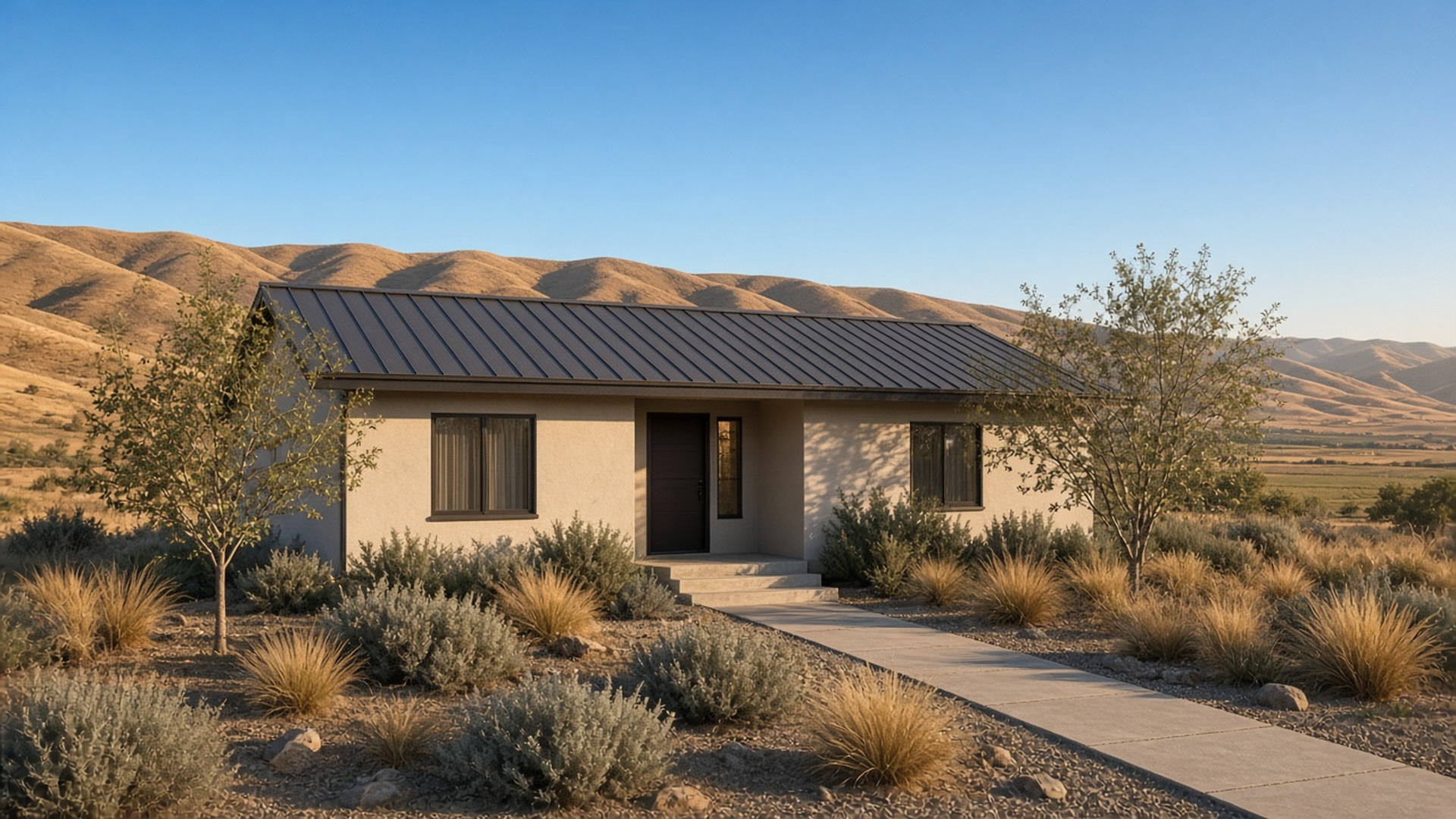
Metal Roofing Over Existing Shingles
Metal Roof Over Shingles in Santa Maria, CA
Wondering whether metal roofing can go over your shingles? Let's evaluate your options. Get a Free Estimate
Metal Roofing Over Existing Shingles
Wondering whether metal roofing can go over your shingles? Let's evaluate your options. Get a Free Estimate
Installing standing seam metal roofing over existing shingles may be possible in certain circumstances, but it is not appropriate for every property. The decision depends on the number and condition of existing roof layers, the supporting deck, structural requirements, local building regulations, and the specifications of the chosen panel manufacturer. An overlay should never be assumed to be suitable simply because the existing shingles remain in place.
For Santa Maria property owners, the first step is evaluating the existing roof. Moisture damage, uneven surfaces, deteriorated decking, ventilation concerns, and previous roofing layers can affect whether an overlay is a reasonable option. Removing the existing shingles may be the better approach when the underlying assembly needs inspection or repair.
The condition of the existing roofing assembly determines whether installing a metal roof over shingles is appropriate. These are the main considerations.
The number of existing roofing layers matters because building codes and manufacturer requirements may limit additional roofing installations. The existing assembly should be reviewed before adding another material.
A sound supporting deck is essential. Soft areas, deterioration, or evidence of long-term moisture intrusion may require removal of existing roofing materials so the underlying problem can be addressed.
Standing seam panels require a suitable supporting assembly. Uneven shingles or an unsuitable surface can affect panel appearance, fastening, and system performance. Any approved separation or support arrangement must follow the selected manufacturer's instructions.
The building must be suitable for the proposed additional roofing assembly. Existing materials, roof framing, and other structural considerations should be evaluated when determining whether an overlay is appropriate.
Existing moisture problems should not be concealed beneath a new roof. Ventilation and condensation considerations also need to be addressed as part of the complete roof assembly.
Applicable California building codes, permitting requirements, and manufacturer instructions must be considered. The specific property and roofing system determine what installation methods are allowed.
We consider the existing roof before suggesting an overlay, recognizing that removal may be the more appropriate solution.
Existing shingles can conceal deterioration and moisture-related problems that should be addressed before a new roof is installed.
The selected standing seam panel system must be compatible with the proposed supporting assembly and manufacturer requirements.
Building regulations, structural considerations, and permitting requirements form part of the decision.
Before placing metal roofing over existing shingles, find out whether your roof is suitable for an overlay.
Free — no obligations
We learn about the current shingles, roof age if known, previous repairs, and reasons for considering metal roofing.
We consider roof layers, visible damage, deck suitability, slope, and structural concerns.
The proposed standing seam system is evaluated against manufacturer specifications and applicable building requirements.
We explain whether an overlay or removal and replacement is the more appropriate direction.
Once the suitable approach is established, preparation, underlayment, panel layout, and flashing requirements can be planned.