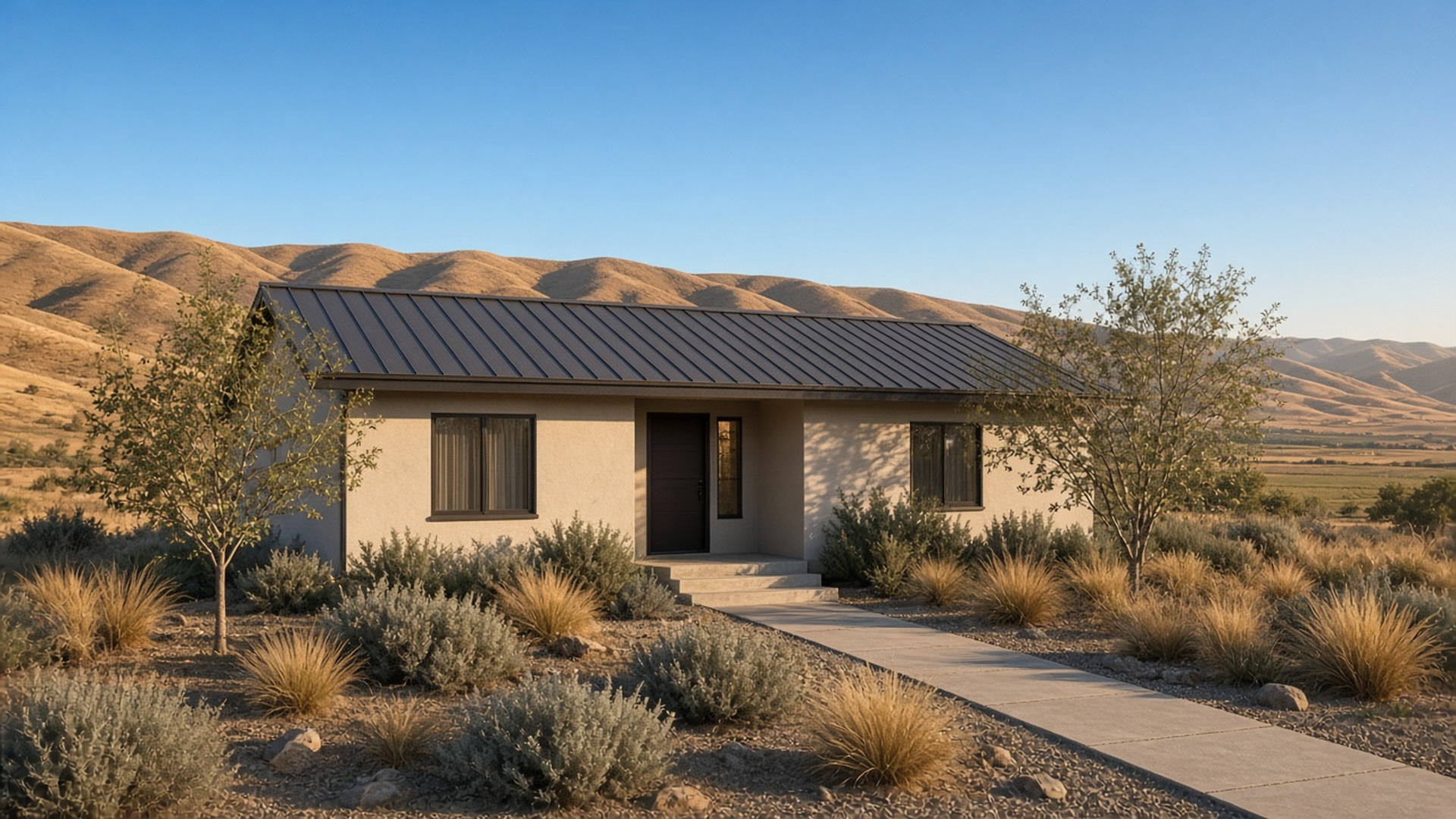
Metal Roof Repair
Standing Seam Roof Repair in Santa Maria, CA
Noticed a leak or damaged metal panel? Let's discuss the problem. Get a Free Estimate
Metal Roof Repair
Noticed a leak or damaged metal panel? Let's discuss the problem. Get a Free Estimate
A standing seam metal roof is designed to provide durable weather protection, but individual components can still experience damage or deterioration. Leaks, damaged flashing, loose connections, impact marks, and problems around roof penetrations can affect the roofing system. Identifying the actual source of the problem is essential before deciding what repair is appropriate.
Santa Maria properties experience seasonal rainfall and changing coastal conditions that can expose weaknesses in older roofing systems. Water entering through a roof does not always originate directly above the interior stain. It can travel along roof components before becoming visible inside the building. A careful assessment should therefore consider the surrounding panels, seams, flashing, and drainage arrangements.
Different roof problems require different repair approaches. The following are some of the conditions that may affect a standing seam system.
Leaks may develop around flashing, roof penetrations, transitions, or damaged sections of the roofing assembly. The visible interior water stain may be some distance from the actual entry point, making source identification important.
Impact, improper handling, or other physical damage can affect a metal panel's shape and protective finish. Repair options depend on the location, extent of damage, and compatibility of replacement components.
Panel seams and their supporting attachment arrangements are important parts of the roofing system. Incorrect installation, movement, or damage can create conditions that require professional evaluation.
Flashing around walls, chimneys, valleys, and other transitions is exposed to water movement and changing conditions. Damaged or incompatible flashing may allow moisture to reach the underlying roof assembly.
Some standing seam systems use concealed clips and other specialized attachments. Repair work should account for the original panel design rather than introducing incompatible fasteners or sealants.
Blocked gutters, debris, and unsuitable drainage details can contribute to water-related roofing problems. Repair planning should consider how water moves across and away from the roof.
We focus on understanding the underlying cause of the roofing problem before recommending a repair approach.
Standing seam systems have specific panel and connection designs. Repair components should be appropriate for the original assembly.
We consider flashing, roof penetrations, seams, and transitions when evaluating possible leaks.
When damage is extensive, we help explain why a larger repair or replacement may deserve consideration.
Do not ignore recurring roof leaks or visible panel damage. Tell us what you have noticed and discuss a repair assessment.
Free — no obligations
We ask about leaks, visible damage, when the issue appeared, and any previous repair attempts.
The roof is reviewed for damage, flashing issues, seam conditions, drainage problems, and potential water entry points.
We consider whether the problem involves a localized repair, replacement components, or more extensive roofing work.
Repair work should use compatible materials and follow the requirements of the existing roofing system.
The completed work is reviewed for visible defects and relevant details around the affected roofing components.