Standing Seam Roofing Specialists
Standing Seam Metal Roofing Services in Santa Maria, CA
Considering a standing seam roof? Let's discuss the right system for your property. Get a Free Estimate
Standing Seam Roofing Specialists
Considering a standing seam roof? Let's discuss the right system for your property. Get a Free Estimate
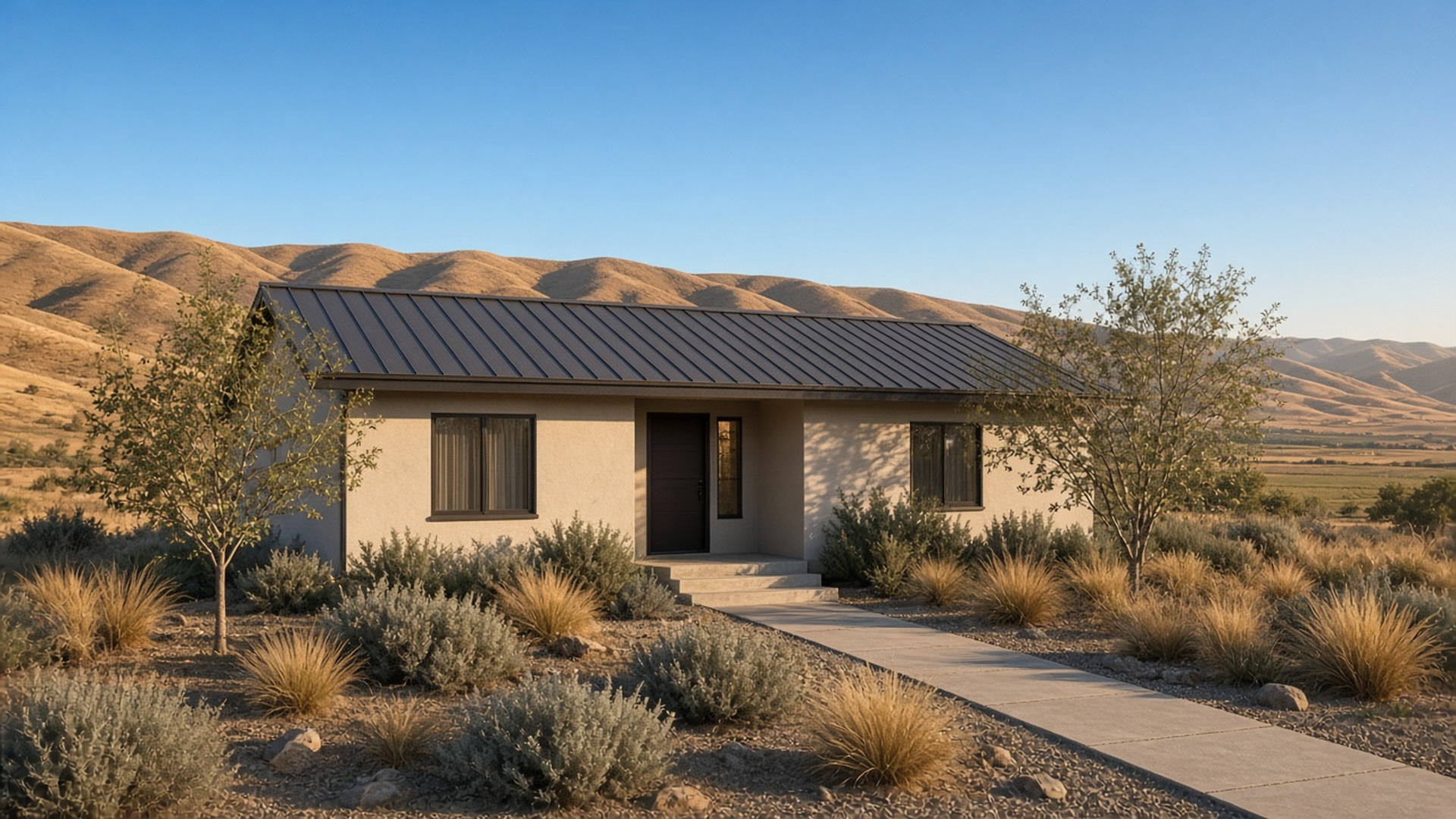
Standing seam metal roofing provides a distinctive combination of clean architectural lines and practical weather protection. The system consists of long metal panels joined by raised seams that run from the lower roof edge toward the ridge. Unlike many exposed-fastener metal roofing systems, standing seam panels generally conceal their attachment points, creating a more streamlined roof surface.
For properties in Santa Maria, standing seam roofing deserves consideration because of its durability, design flexibility, and suitability for a range of residential and commercial buildings. The correct system depends on roof slope, panel dimensions, material selection, underlayment, flashing, and the building's exposure to coastal conditions.
A standing seam roofing system is more than a collection of metal panels. Each component contributes to the finished roof's ability to manage water, accommodate movement, and protect the underlying structure.
Raised seams connect adjoining metal panels and form the defining appearance of the roofing system. Their height, connection method, and profile vary by manufacturer and panel design. Correctly formed seams help manage water movement across the roof.
Many standing seam systems use concealed clips or fastening arrangements beneath the panel seams. This reduces the number of exposed fasteners across the roof surface and allows the system to accommodate movement when designed and installed correctly.
Standing seam panels are available in different metal types, thicknesses, and protective finishes. Material selection should account for budget considerations, appearance, roof geometry, and exposure to moisture or salt-laden air.
Flashing protects vulnerable areas around chimneys, walls, roof edges, valleys, and other transitions. These areas need to be planned around the panel system so that water can move away from the building without entering vulnerable joints.
The supporting roof deck and appropriate underlayment provide an important part of the overall roofing assembly. Their condition and compatibility with the selected system should be checked before installation.
Roof slope, drainage paths, gutters, and ventilation influence the performance of the complete roof assembly. These elements should be reviewed as part of the project rather than treated as separate afterthoughts.
We concentrate on standing seam systems and their particular installation requirements, including panel connections, concealed fastening, and flashing.
We consider roof geometry, existing materials, drainage, and local exposure before discussing panel options.
We help customers understand the differences between roofing systems and the practical considerations behind each selection.
We consider the moisture, rain, sunlight, and coastal conditions that can affect roofing materials throughout the region.
Thinking about a standing seam roof in Santa Maria? Start with a conversation about your property and the roofing system you have in mind.
Free — no obligations
We begin by learning about the building, its location, your existing roof, and what you want from a new roofing system.
The roof structure, slope, deck condition, drainage, penetrations, and existing materials need to be considered before selecting a system.
We discuss suitable metal materials, panel profiles, finishes, and fastening arrangements based on the project's requirements.
The project plan addresses preparation, underlayment, panel layout, flashing, roof transitions, and other important installation details.
The roof installation follows the selected system's requirements, with attention to panel alignment, seams, flashing, and finished roof details.
The completed work should be reviewed for installation details, drainage, transitions, and visible areas that contribute to the roof's overall performance.